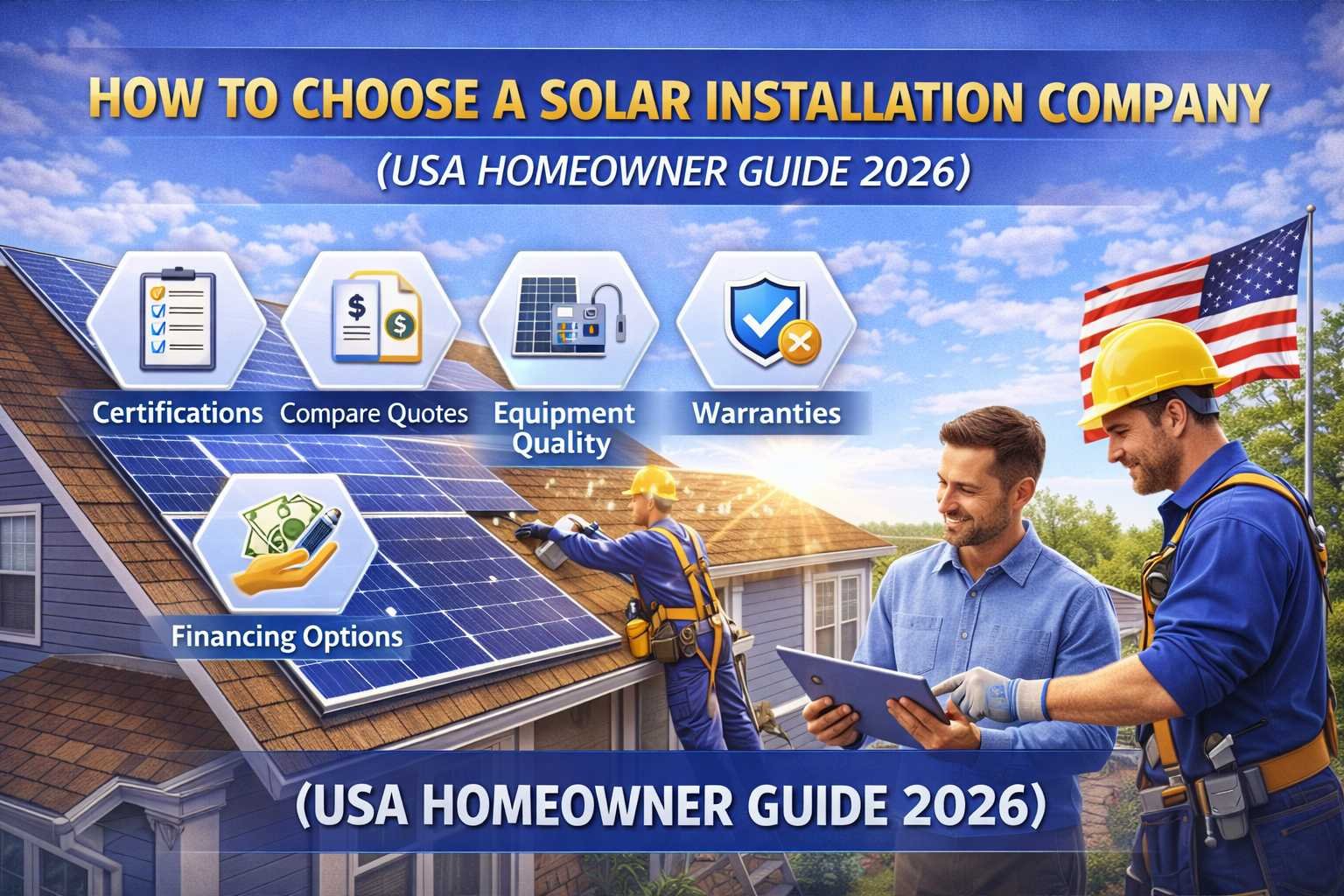
Switching to solar energy is one of the most important home investments many American homeowners make today. With electricity prices rising across the United States, installing solar panels can significantly reduce long-term energy costs and increase property value. However, choosing the right installer is just as important as choosing the solar equipment itself. A reliable solar installation company ensures that the system is designed correctly, installed safely, and optimized for maximum energy production. Because there are thousands of solar companies operating across the country, homeowners often feel overwhelmed when trying to select the right provider. Understanding how to evaluate solar installers can help homeowners avoid costly mistakes and ensure they receive a high-quality system that delivers decades of savings.
Why Choosing the Right Solar Installer Matters
Solar panels are designed to last 25 to 30 years, which makes installation quality extremely important. Poor installation can reduce system efficiency, lead to electrical issues, or increase long-term maintenance costs. A professional solar installer handles every stage of the project, including system design, permitting, installation, inspections, and connection to the local electricity grid. Experienced companies also provide warranties and system monitoring services that help homeowners track their solar energy production. Choosing the right installer ensures the solar system performs efficiently and delivers the expected financial benefits.
Research Solar Companies in Your Area
The first step when choosing a solar installer is researching companies that operate in your region. Many national and local companies provide residential solar installation services across the United States. Online solar marketplaces, review platforms, and energy comparison websites can help homeowners identify trusted installers in their area. Homeowners should review company websites, read customer testimonials, and examine the types of solar equipment offered. Looking at multiple companies helps homeowners compare prices, services, and warranties before making a final decision.
Check Solar Installer Certifications
One of the most important factors when choosing a solar installer is certification. Professional installers often hold certifications that demonstrate their expertise and compliance with industry standards. One of the most recognized certifications in the solar industry is NABCEP (North American Board of Certified Energy Practitioners). Installers with NABCEP certification have completed advanced training and passed rigorous exams related to solar installation and system design. In addition to national certifications, solar companies should also hold state contractor licenses and insurance coverage.
Compare Multiple Solar Quotes
Experts recommend getting quotes from at least three different solar installation companies before choosing one. Comparing quotes helps homeowners understand pricing differences and evaluate the value offered by each installer. A typical solar quote should include system size, estimated energy production, installation cost, equipment brand, and available financing options. Some companies may offer lower prices but use lower-quality equipment, while others may charge more but include better warranties or monitoring services. Comparing multiple quotes ensures homeowners make an informed decision.
Evaluate Solar Equipment Quality
Not all solar panels and inverters are the same. The quality of equipment used in the solar installation can significantly impact system performance and lifespan. Premium solar panels typically offer higher efficiency ratings and longer warranties. Homeowners should ask installers about the brands of solar panels and inverters included in the installation package. Many leading solar companies use well-known panel manufacturers that provide 25-year performance warranties. Choosing high-quality equipment may increase the initial installation cost but can lead to higher energy production and lower maintenance costs over time.
Review Warranty and Service Plans
Solar warranties play an important role in protecting homeowners’ investments. A reliable solar installation company should provide multiple types of warranties, including equipment warranties, installation warranties, and performance guarantees. Equipment warranties typically cover solar panels and inverters for many years, while installation warranties protect against problems related to the installation process. Some companies also offer performance guarantees that ensure the solar system produces a minimum amount of electricity over its lifetime. Understanding warranty coverage helps homeowners avoid unexpected repair costs in the future.
Understand Solar Financing Options
Solar installations can cost between $15,000 and $30,000 depending on the system size and location. Many solar companies offer financing programs that allow homeowners to install solar panels with little or no upfront cost. Solar loans allow homeowners to purchase the system through monthly payments while retaining ownership. Solar leases allow homeowners to use solar panels without purchasing the system, paying a fixed monthly lease fee instead. Power purchase agreements allow homeowners to pay only for the electricity generated by the solar system. Understanding these financing options helps homeowners select a payment plan that fits their financial situation.
Look for Experience and Industry Reputation
Experience is another key factor when choosing a solar installation company. Companies that have been in business for many years often have extensive experience designing and installing residential solar systems. Experienced installers are more likely to handle permitting processes efficiently and solve technical challenges that may arise during installation. Homeowners should check how long the company has been operating and how many solar installations it has completed. Customer reviews and ratings on independent platforms can also provide valuable insight into the company’s reputation.
Evaluate Customer Support and Communication
Solar installation is a multi-step process that can take several weeks or months from consultation to system activation. Good communication between homeowners and installers is essential throughout this process. A reliable solar company should provide clear project timelines, transparent pricing, and responsive customer support. Installers should also be willing to answer questions about system design, maintenance requirements, and long-term savings. Companies that provide strong customer support often deliver a smoother installation experience.
Check Local Permits and Utility Requirements
Solar installations must comply with local building codes and utility regulations. Experienced solar installers handle the permitting process and ensure the system meets all safety standards. They also coordinate with local utility companies to connect the solar system to the electricity grid. Homeowners should confirm that the solar company manages permits, inspections, and utility approvals as part of the installation service. This can save homeowners significant time and effort during the installation process.
Red Flags to Watch Out For
While many solar installers provide excellent service, homeowners should watch for potential warning signs. Companies that pressure homeowners into signing contracts quickly may not provide the best long-term value. Extremely low installation quotes may indicate lower-quality equipment or hidden fees. Lack of certifications or poor online reviews may also suggest unreliable service. Taking the time to research installers carefully helps homeowners avoid these risks.
Long-Term Benefits of Choosing the Right Solar Company
Selecting the right solar installer can provide significant benefits for homeowners. A professionally installed solar system can reduce electricity bills for decades while increasing property value. Solar systems also help reduce reliance on fossil fuels and contribute to a cleaner energy future. By choosing a trusted solar installation company, homeowners can maximize the financial and environmental benefits of solar energy.
Final Thoughts
Choosing a solar installation company is one of the most important decisions homeowners make when investing in renewable energy. By researching installers, comparing quotes, checking certifications, and evaluating equipment quality, homeowners can identify the best solar provider for their needs. A reliable solar installer ensures the system operates efficiently, delivers long-term electricity savings, and provides strong warranty protection. For homeowners considering solar energy, taking the time to select the right installation company can make a significant difference in the success of their solar investment.